ADVERTISEMENT
Meanwhile, the human reality inside Venezuela remains painfully complex. Years of economic collapse, political repression, migration crises, inflation, sanctions, and instability have already left millions exhausted. For ordinary Venezuelans, the debate is not primarily about internet symbolism or political theater. It is about survival, sovereignty, and whether foreign involvement will stabilize the country or deepen its dependence and division further.
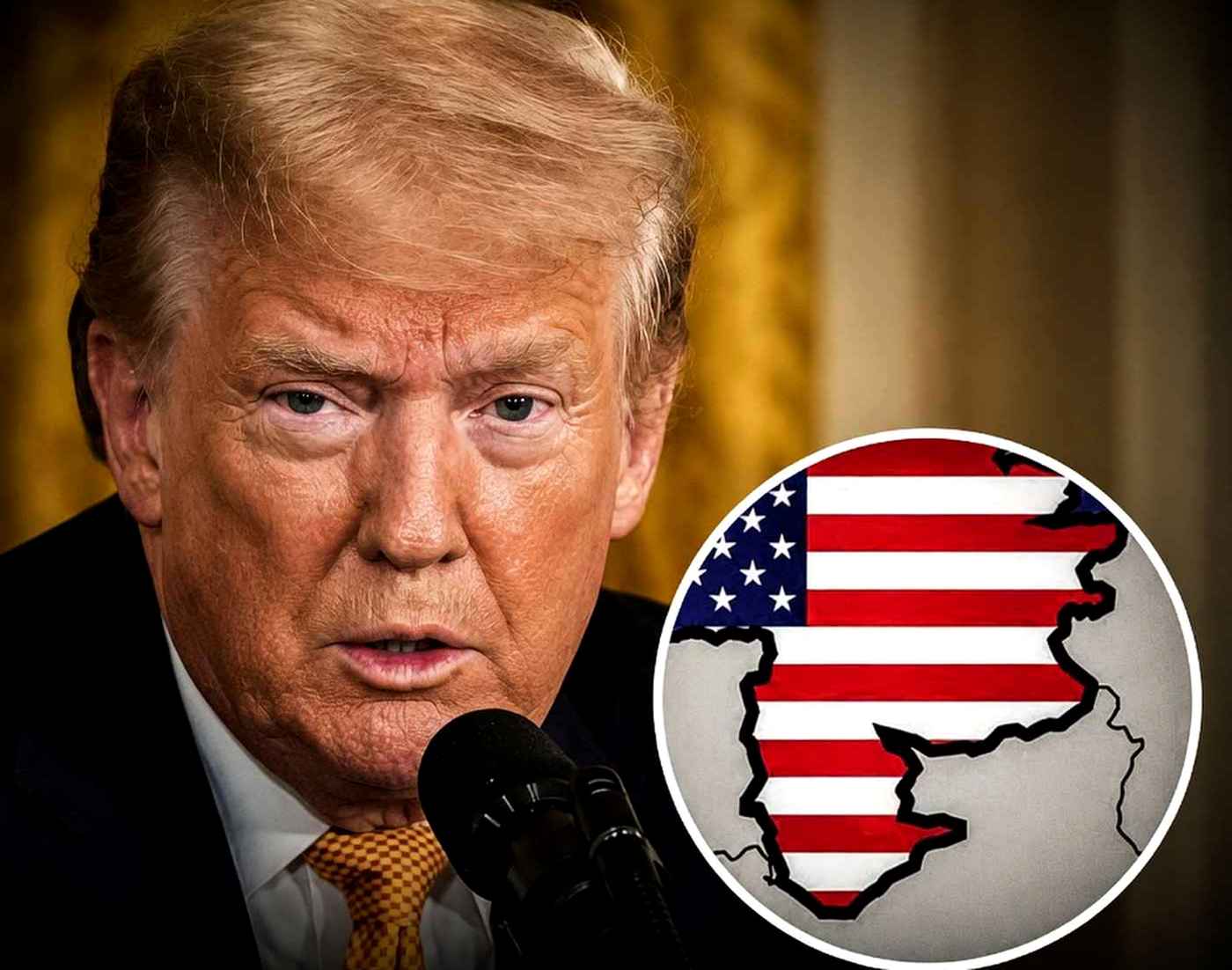
In the end, the most unsettling aspect of Trump’s Venezuela rhetoric may not be whether annexation could actually happen. It is how quickly the boundaries between political performance, military power, economic ambition, and nationalist symbolism have started to blur. Between the American-flag map and constitutional reality lies a volatile space filled with oil, instability, strategic interests, and public emotion — a space where modern geopolitics increasingly feels less like diplomacy and more like spectacle with real-world consequences.
ADVERTISEMENT
