ADVERTISEMENT
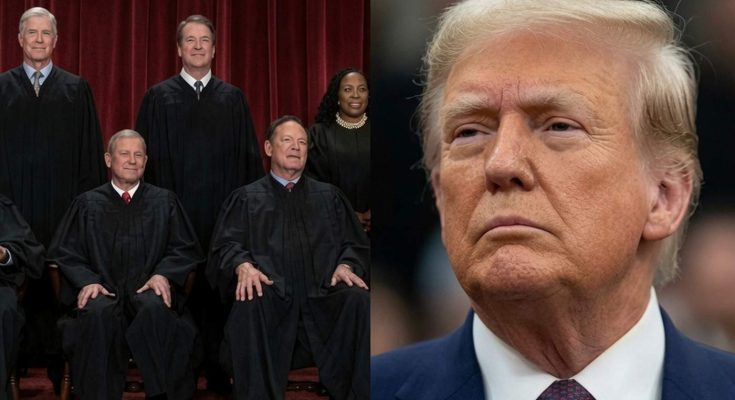
Justice Sonia Sotomayor dissented more broadly, joined by Kagan and Jackson in key parts, claiming the majority “jettisons two decades of settled precedent” and warning it “forecloses future reliance on Sosa and shuts the courthouse doors to almost any claimed violation of international law under the ATS.”
Sotomayor added on the TVPA: “Because the plain text of this statute includes individuals who aid and abet the victim’s torture, I would affirm the Ninth Circuit’s judgment on this score as well.”
By ending the era of judicially invented ATS claims and rejecting implied aiding-and-abetting liability under the TVPA, the Court prevents activist plaintiffs and foreign interests from weaponizing U.S. courts against American companies.
Such suits have long imposed massive legal costs, chilled innovation, and entangled businesses in overseas disputes far removed from legitimate U.S. interests.
