ADVERTISEMENT
Shortly after these symptoms appeared, the individual developed a distinctive rash on April 25, which is a hallmark sign of measles infection. Following medical evaluation and laboratory testing, public health officials confirmed the diagnosis. The individual is currently isolating at home in accordance with established public health guidance to prevent further transmission.
Contact tracing teams are working in coordination with airport authorities and healthcare providers to ensure that potentially exposed individuals are notified as quickly as possible. Public health agencies have also urged anyone who was present in the terminal during the exposure period to monitor their health closely.
Shortly after the first confirmed case, a second measles case was reported in the same Illinois county
At this time, health officials have not confirmed whether the two cases are directly connected or part of the same transmission chain. Investigations are ongoing to determine whether there is a shared source of exposure or whether the cases represent separate incidents.
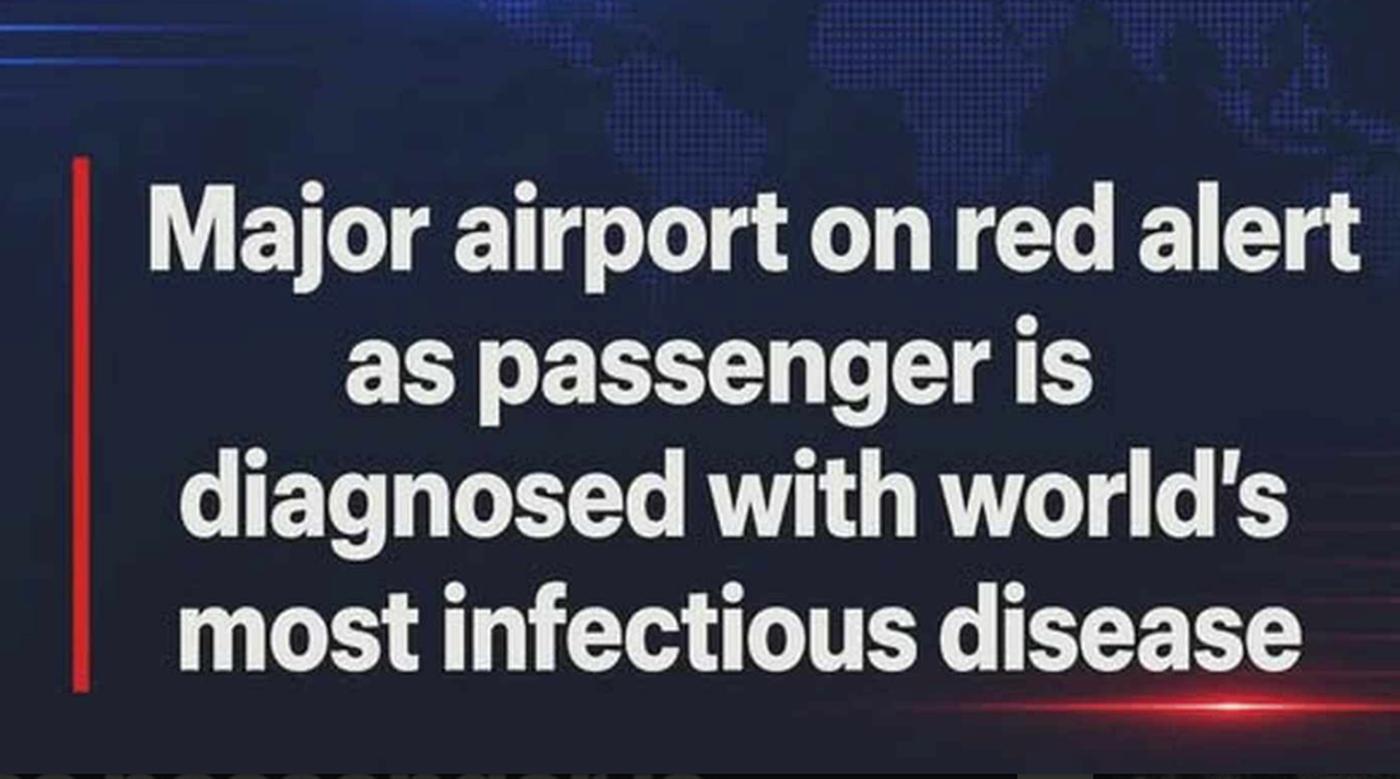
Measles is widely recognized as one of the most contagious infectious diseases known to medicine. It spreads primarily through respiratory droplets when an infected person coughs, sneezes, or breathes in close proximity to others. One of the most concerning characteristics of the virus is its ability to remain airborne in enclosed spaces for up to two hours after an infected individual has left the area.
This means that people can become infected even if they were not in direct contact with the infected person. Environments such as airports, train stations, and other crowded indoor facilities are therefore considered higher-risk locations during outbreaks.
ADVERTISEMENT
