ADVERTISEMENT
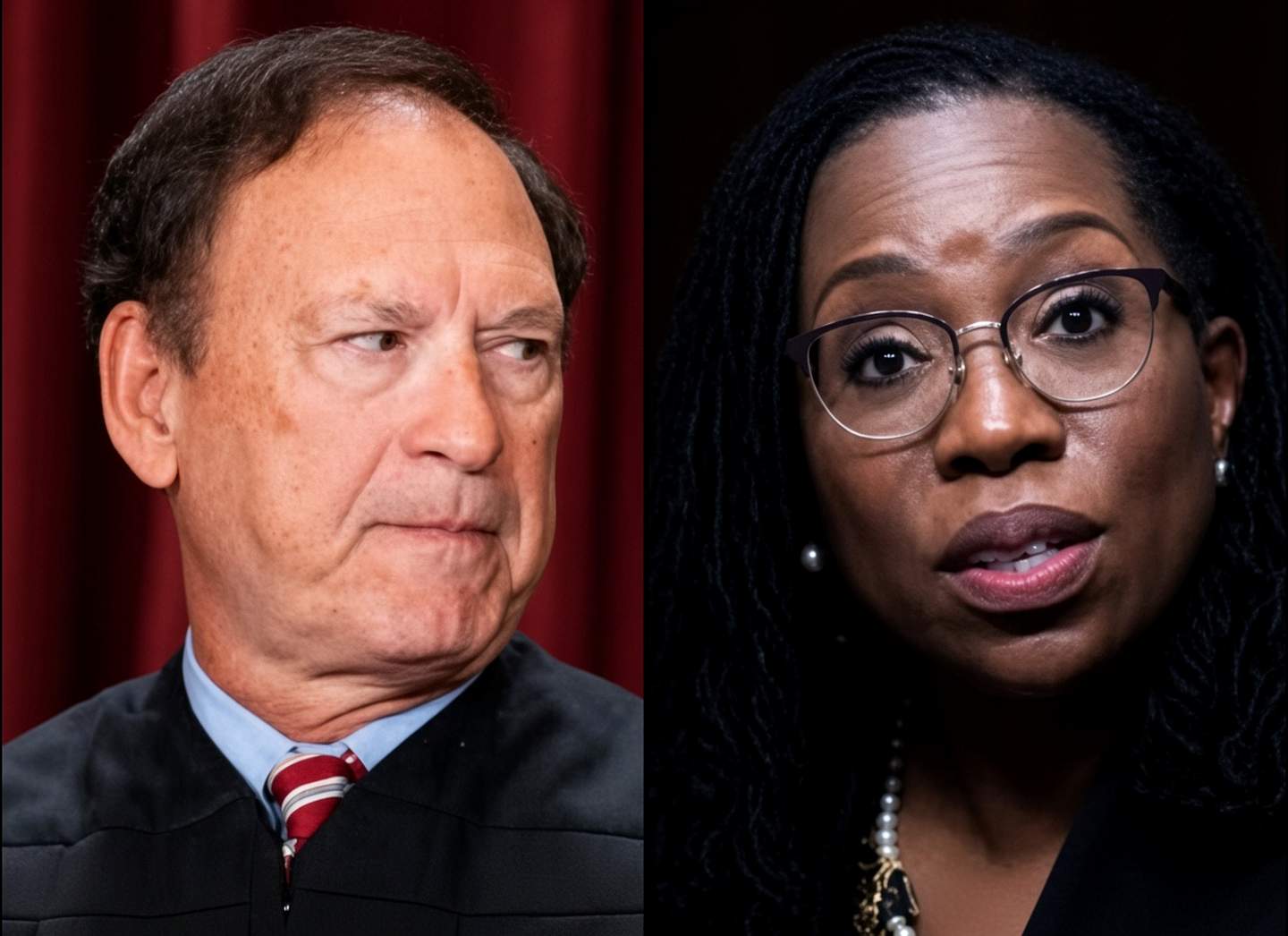
Jackson claimed in her lone dissent that the lower court properly considered the Fourth Amendment, which says people have a right to be “secure in their persons, houses, papers, and effects, against unreasonable searches and seizures.” She said the case was not worthy of taking the “unusual step of summary reversal.”
Meanwhile, a new report detailing leaked internal communications from the Supreme Court of the United States is raising fresh concerns about confidentiality, internal divisions, and the long-term credibility of the institution.
The latest controversy centers on internal memos obtained and published by The New York Times, which reveal private deliberations among justices regarding the court’s use of the so-called “shadow docket”—a mechanism that allows the court to issue rulings without full briefing or oral argument.
This article may contain commentary which reflects the author’s opinion.
