ADVERTISEMENT
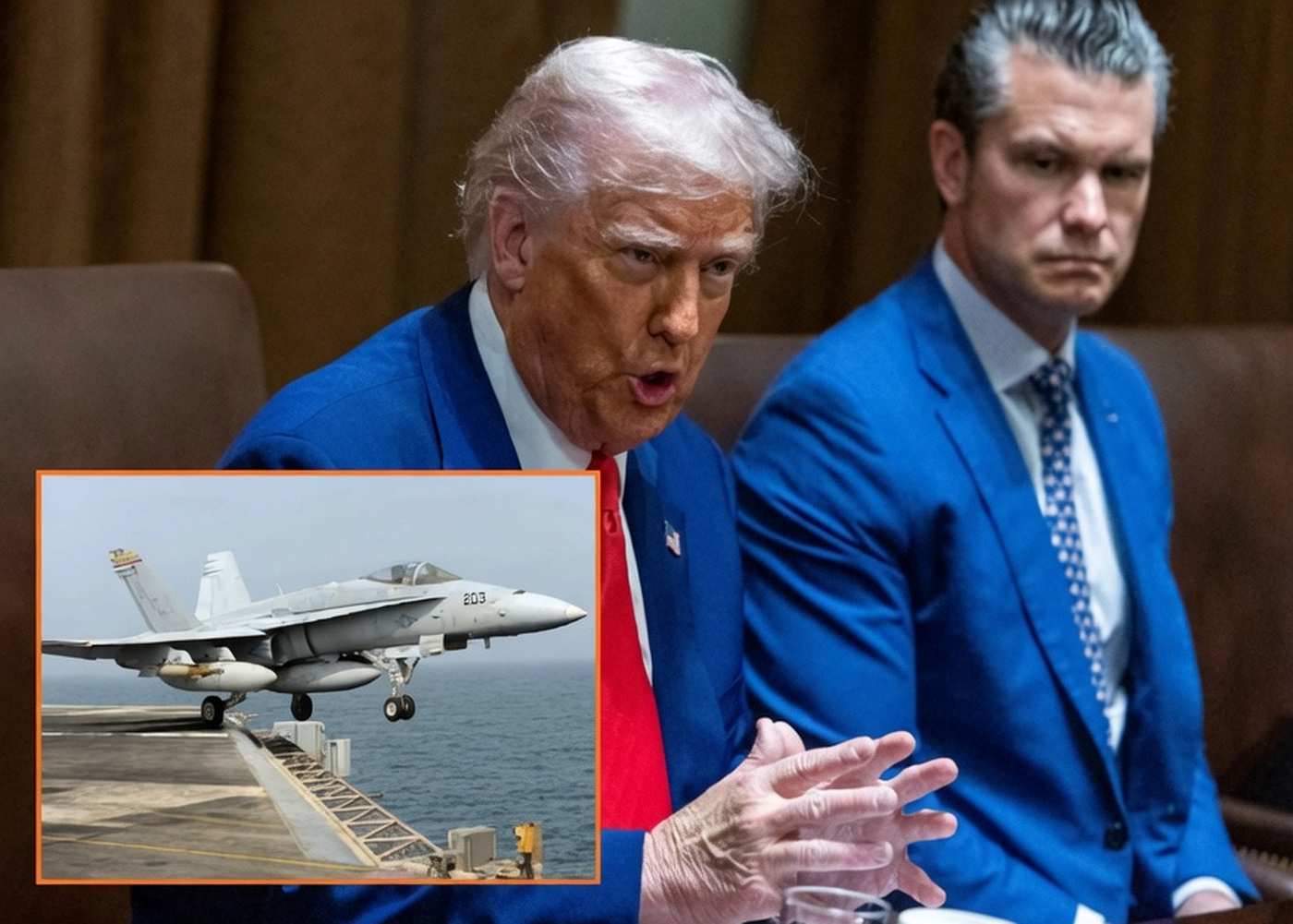
Here’s the context that makes this moment genuinely significant. The administration had been weighing strikes on Iranian energy infrastructure and power grid elements — the kind of targets that don’t just degrade military capacity but fundamentally alter the daily reality of life for the Iranian population. That’s a different category of escalation from the targeted military strikes that have been ongoing since July 7th. Saudi Crown Prince Mohammed bin Salman, who has been a reliable partner in the Iran pressure campaign, raised concerns about that level of escalation in a Saturday call with Trump. MBS has his own calculations about regional stability, oil prices, and what an Iranian infrastructure collapse produces for the neighborhood. His input appears to have been part of the equation.
But let’s be clear about the pattern. This is the second time Iran has agreed to terms and bought itself breathing room. The first MOU — signed in June — was violated within weeks when Iran resumed firing on commercial ships in the Strait, triggering the resumption of American strikes on July 7th. The ceasefire died. The strikes resumed. And now Iran is asking for another pause with another set of agreed perimeters.
ADVERTISEMENT
